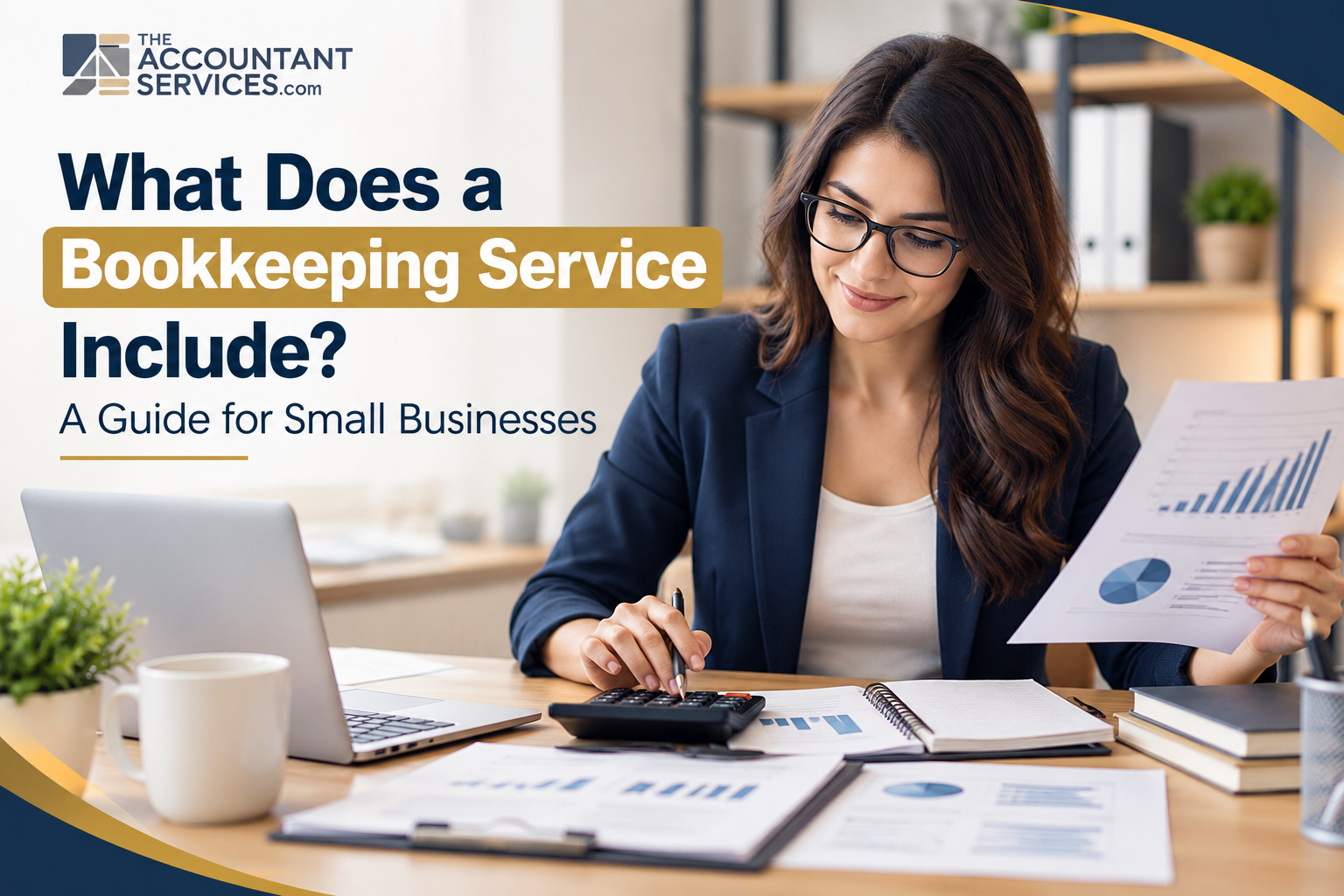
Running a small business involves more than serving customers and managing daily operations. Business owners also need to track income, record expenses, review financial transactions and keep their financial records organised. Without a clear bookkeeping process, it can become difficult to understand where the money is going and how the business is performing.
Professional bookkeeping services help business owners maintain accurate financial records and stay informed about their finances. For businesses looking for bookkeeping services in Alpharetta, GA, understanding what these services include can help them choose the right support for their needs.
What Are Bookkeeping Services?
Bookkeeping is the process of recording and organising a business’s financial transactions. These records may include sales, purchases, operating expenses, customer payments and supplier bills.
Small business bookkeeping helps owners maintain an organised record of their financial activities. These records can also support financial reporting, tax preparation and business planning.
A bookkeeping company may provide ongoing support or help with specific tasks, depending on the business’s needs and the agreed scope of work.
1. Recording Daily Financial Transactions
One of the main parts of bookkeeping is recording financial transactions accurately. This includes money received from customers and payments made for business expenses.
Common transactions include:
- Customer sales and payments
- Office rent and utility bills
- Business supplies and equipment
- Software subscriptions
- Supplier payments
- Other operating expenses
Organised transaction records help business owners understand how money moves through their business. They also make it easier to review financial activity and identify missing or incorrectly recorded transactions.
2. Bank and Credit Card Reconciliation
Bank reconciliation involves comparing a business’s financial records with its bank or credit card statements. The process helps identify differences, missing transactions, duplicate entries and recording errors.
Regular reconciliation is an important part of maintaining reliable financial records. It can also help business owners identify unexpected transactions and keep their accounts up to date.
The frequency of reconciliation depends on the business’s transaction volume, reporting needs and bookkeeping arrangements.
3. Tracking Accounts Payable and Receivable
Accounts payable refers to money a business owes to suppliers and other service providers. Accounts receivable refers to money customers owe the business.
Bookkeeping support may include recording outstanding invoices, tracking incoming payments and keeping supplier bills organised.
These records help business owners understand upcoming payments and outstanding customer balances. They can also provide a clearer view of cash flow and help businesses follow up on overdue invoices.
4. Monthly Bookkeeping and Financial Reports
Monthly bookkeeping services help businesses keep their financial records updated throughout the year rather than leaving everything until tax season.
Depending on the service agreement, monthly bookkeeping may include transaction recording, bank reconciliation, account reviews and preparation of financial reports.
Common reports include:
- Profit and loss statement: Summarises business income and expenses over a specific period.
- Balance sheet: Shows the business’s assets, liabilities and equity at a particular point in time.
- Cash flow information: Helps owners understand money coming into and going out of the business.
These reports can help business owners review performance, identify spending patterns and make more informed financial decisions.
5. Organising Financial Records for Tax Season
Keeping financial records organised throughout the year can make tax preparation more manageable. Bookkeeping records may help accountants or tax professionals review business income, expenses and supporting documentation.
For small businesses, organised records can reduce last-minute paperwork and make it easier to respond to requests for financial information.
However, bookkeeping and tax compliance are not the same service. Tax preparation, tax planning and filing support may require separate services and should be confirmed with the provider.
6. In-House vs. Outsourced Bookkeeping
Small businesses can manage bookkeeping internally or work with an external provider.
In-house bookkeeping gives a business direct control over its bookkeeping activities. However, it requires time, suitable software and someone with the right skills to maintain the records.
Outsourced bookkeeping allows a business to work with an external provider for agreed bookkeeping tasks. Depending on the arrangement, this may include transaction recording, account reconciliation and regular financial reporting.
When comparing options, business owners should consider the transaction volume, complexity of their finances, reporting needs, software requirements and overall budget.
7. When Should a Small Business Hire a Bookkeeping Company?
A business may benefit from professional bookkeeping support when:
- Financial records are regularly falling behind.
- The owner spends too much time entering transactions.
- Bank and credit card accounts are difficult to reconcile.
- Customer invoices and supplier bills are becoming harder to track.
- Financial reports are needed for business decisions.
- Tax season creates a large amount of last-minute paperwork.
The right level of support depends on the business’s size, transaction volume and financial management needs.
8. How to Choose Professional Bookkeeping Services
Before choosing a bookkeeping provider, consider the services included, reporting frequency, communication process and experience with businesses similar to yours.
Ask questions such as:
- Which bookkeeping tasks are included in the service?
- Are bank reconciliation and monthly reports included?
- How will financial documents be shared securely?
- Which accounting software does the provider support?
- How often will records and reports be updated?
- What are the service fees and payment terms?
It is also important to understand who will be responsible for tax preparation, payroll processing and other accounting tasks, as these may not be included in a standard bookkeeping package.
Bookkeeping Services for Small Businesses in Alpharetta, GA
Keeping financial records organised can help small business owners understand their performance and prepare for upcoming financial responsibilities.
The Accountant Services provides accounting and bookkeeping support for businesses. If you are considering bookkeeping services in Alpharetta, GA, review your current bookkeeping process and identify the tasks where you need support.
Visit The Accountant Services to learn more about the available services and discuss your business requirements.
Need Help Managing Your Business Books?
Keep your financial records organised and get support tailored to your business needs. Contact The Accountant Services to discuss your bookkeeping requirements.
Discuss Your Bookkeeping Needs →Frequently Asked Questions
Common questions about bookkeeping services for small businesses.
Bookkeeping services may include recording transactions, reconciling bank accounts, tracking accounts payable and receivable, organising financial documents, and preparing regular financial reports. The exact services depend on the provider and service agreement.
Many businesses update their records regularly and reconcile accounts monthly. Businesses with higher transaction volumes may need more frequent reviews to keep their financial records current.
No. Bookkeeping primarily focuses on recording and organising financial transactions. Accounting generally involves broader financial analysis, reporting, and interpretation. The services can overlap depending on the provider.
Monthly bookkeeping can help businesses maintain updated records and review their financial performance throughout the year. Whether monthly support is appropriate depends on transaction volume and business requirements.
Organised bookkeeping records can help support tax preparation by providing a clearer record of income and expenses. Tax return preparation and tax compliance should be confirmed separately with the service provider.
Bookkeeping costs vary based on transaction volume, business complexity, reporting requirements, software, and the tasks included in the service. Ask for a quote based on your actual business requirements.