What Is Payroll Management?
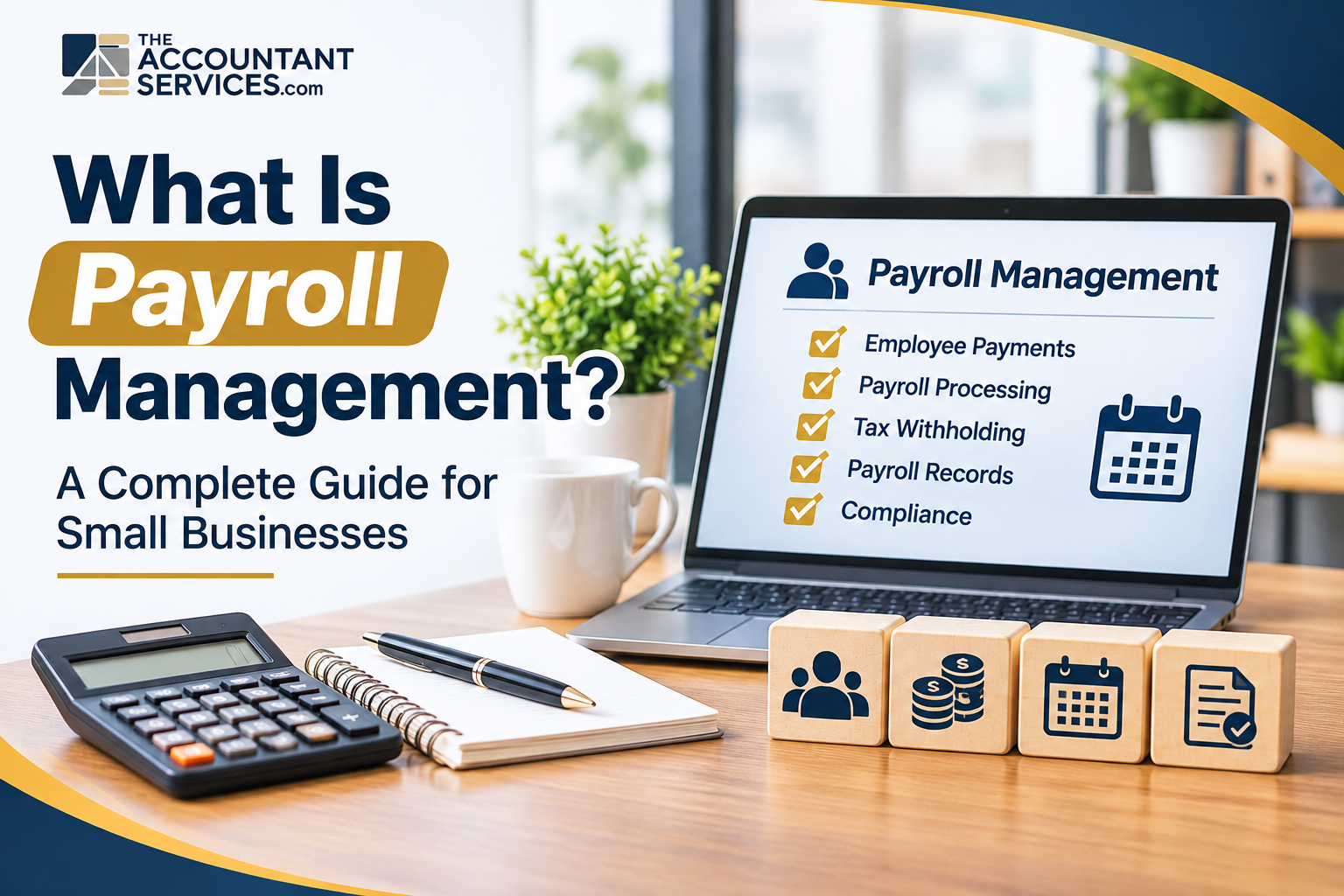
Payroll management is the process of managing employee compensation and related payroll responsibilities. It includes calculating employee wages, managing deductions, processing payments and maintaining payroll records. Depending on the business and its requirements, payroll management may also involve:- Maintaining employee payroll information
- Tracking employee working hours
- Calculating salaries, wages and overtime where applicable
- Managing payroll deductions and tax withholding
- Processing employee payments
- Maintaining payroll documentation
- Preparing payroll reports
- Supporting payroll tax reporting and compliance
What Is Payroll Processing?
Payroll processing is the actual process of calculating and paying employees for a specific pay period. Payroll management covers the broader system and responsibilities, while payroll processing focuses on completing payroll calculations and payments. For example, payroll management may involve setting up employee records, maintaining payroll schedules and reviewing payroll procedures. Payroll processing involves calculating the wages for a particular pay period, applying relevant deductions and issuing payments. Both activities are important for maintaining an organised payroll system.How Does Payroll Management Work?
Payroll management generally follows a series of steps. The exact process depends on the business, employee arrangements and applicable requirements.1. Collect Employee Information
Before processing payroll, businesses need accurate employee information. This may include:- Employee names and contact information
- Employment details
- Pay rates or salary information
- Working hours
- Relevant tax withholding information
- Payment details
2. Track Working Hours and Attendance
Businesses that pay hourly employees need a reliable process for tracking working hours. Depending on the employee’s classification and applicable rules, payroll calculations may also need to account for overtime, paid leave and other compensation. Accurate time records help businesses calculate wages correctly and maintain supporting documentation.3. Calculate Employee Wages
Payroll calculations depend on the employee’s compensation arrangement. For salaried employees, businesses generally calculate pay based on the agreed salary and pay schedule. For hourly employees, payroll calculations typically involve multiplying eligible working hours by the applicable hourly rate and accounting for additional compensation where required. Businesses should review payroll information before finalising employee payments.4. Calculate Payroll Deductions and Withholding
Payroll deductions may include employee tax withholding, insurance contributions, retirement plan contributions and other authorised deductions. For US employers, federal payroll responsibilities can include federal income tax withholding, Social Security tax and Medicare tax. The applicable requirements depend on the employee’s circumstances and the business’s obligations.5. Process Employee Payments
Once payroll calculations are reviewed, businesses can issue employee payments through their chosen payment method. Common payment methods include direct deposit and other approved payment arrangements. Businesses should maintain payment records and provide employees with the appropriate payroll information.6. Maintain Payroll Records
Payroll records help businesses track employee compensation and support payroll reporting. Important records may include:- Employee wage information
- Payroll calculations
- Tax withholding information
- Payment dates and amounts
- Payroll tax deposits
- Relevant payroll filings
- Employee time and attendance records
Why Is Payroll Management Important for Small Businesses?
Payroll management plays an important role in everyday business operations.Helps Employees Receive Accurate Payments
Employees expect their wages to be calculated correctly and paid according to the agreed schedule. An organised payroll process helps businesses review payment information and identify potential errors before payroll is finalised.Supports Payroll Recordkeeping
Maintaining payroll records helps business owners understand employee compensation and retrieve important information when needed. Organised records can also support accounting, reporting and tax-related activities.Helps Manage Payroll Responsibilities
Employers may have responsibilities involving tax withholding, payroll reporting and payment deadlines. A consistent payroll process helps businesses monitor these responsibilities and organise the required information.Reduces Administrative Work
Payroll can involve several repetitive tasks, particularly when a business has multiple employees. Using an organised system or professional payroll support may help business owners spend less time managing payroll administration.Supports Better Financial Planning
Payroll is often a major business expense. Regular payroll reports can help business owners understand employee costs, review cash flow and plan upcoming expenses.Common Payroll Management Mistakes Small Businesses Should Avoid
Payroll errors can create unnecessary administrative work and may affect employee payments or reporting. Here are some common mistakes businesses should watch for.1. Incorrect Employee Information
Incorrect employee details can affect payroll calculations, tax withholding and payment processing. Businesses should review employee information when employees join, update their details or change their employment arrangements.2. Missing Payroll Deadlines
Payroll processing, tax deposits and payroll reporting may have different deadlines. Businesses should maintain a calendar of applicable deadlines and review their payroll responsibilities regularly.3. Incorrect Payroll Calculations
Errors involving working hours, pay rates, deductions or overtime can affect employee payments. Reviewing payroll calculations before issuing payments can help identify discrepancies.4. Poor Payroll Recordkeeping
Missing or incomplete payroll documentation can make it difficult to verify payments and respond to reporting requests. Businesses should maintain organised payroll records and restrict access to sensitive employee information.5. Misclassifying Employees and Contractors
Employee and independent contractor classification can affect payroll and tax responsibilities. Businesses should evaluate working relationships based on applicable rules rather than relying only on job titles or agreements. When classification is unclear, professional guidance may be helpful.What Is Payroll Compliance?
Payroll compliance involves meeting applicable payroll-related legal, tax and reporting requirements. For US businesses, payroll compliance may include:- Correctly withholding applicable employment taxes
- Depositing payroll taxes according to applicable schedules
- Filing required payroll tax returns
- Maintaining employment tax records
- Providing required employee tax documents
- Following applicable wage and employment requirements
In-House Payroll vs. Outsourced Payroll Management
Small businesses can manage payroll internally or work with an external payroll provider.In-House Payroll Management
In-house payroll means employees within the business handle payroll calculations, payments, records and related responsibilities. This approach may provide direct control over payroll activities, but it requires suitable systems, time and knowledge of applicable requirements.Outsourced Payroll Management
Outsourced payroll involves working with an external provider to handle agreed payroll tasks. Depending on the arrangement, services may include payroll calculations, employee payment processing, payroll reporting and related administrative support. Outsourcing can help businesses reduce administrative workload, but employers should understand their remaining responsibilities. The IRS explains that employers generally remain responsible for employment tax obligations even when payroll duties are outsourced.When Should a Small Business Consider Payroll Management Services?
Professional payroll support may be useful when:- The business has multiple employees.
- Payroll calculations are becoming difficult to manage.
- Employee payment errors occur frequently.
- Payroll records are not properly organised.
- Business owners spend excessive time managing payroll.
- Payroll reporting and compliance responsibilities are becoming more complicated.
- The business is expanding and needs a more consistent payroll process.
Payroll Management Services for Small Businesses in Alpharetta, GA
Managing payroll requires attention to employee payments, financial records and applicable payroll responsibilities. Small businesses in Alpharetta, Georgia, may benefit from reviewing their existing payroll processes and identifying areas where additional support is needed. The Accountant Services provides accounting and business financial support to help businesses manage their financial operations. If you are looking for payroll management services in Alpharetta, GA, visit The Accountant Services to learn more about the available services and discuss your business requirements.Final Thoughts
Payroll management is an important part of running a small business. Maintaining accurate employee information, reviewing payroll calculations and keeping organised records can help businesses establish a more reliable payroll process. As a business grows, payroll responsibilities may become more complex. Reviewing available payroll management services can help business owners determine whether additional support is appropriate. For businesses in Alpharetta, GA, The Accountant Services can help you explore accounting and payroll-related support based on your business needs.Need Help Managing Your Business Books?
Keep your financial records organised and get support tailored to your business needs. Contact The Accountant Services to discuss your bookkeeping requirements.
Discuss Your Bookkeeping Needs →Frequently Asked Questions
Payroll management may include employee information management, wage calculations, payroll deductions, payment processing, recordkeeping and payroll reporting. The exact services depend on the business and provider.
Payroll management covers the overall payroll system and responsibilities. Payroll processing focuses on calculating wages, applying deductions and issuing employee payments for a particular pay period.
Payroll frequency depends on the business's pay schedule, employee agreements and applicable state requirements. Common schedules include weekly, biweekly, semimonthly and monthly, where permitted.
Yes. Small businesses can outsource some or all payroll-related tasks to an external provider. However, employers should understand which responsibilities remain with them.
Some payroll management arrangements include tax withholding calculations, payroll tax reporting and related administrative support. Businesses should confirm the exact scope of services with their provider.
Yes. Payroll management helps businesses organise employee payments, maintain records and manage applicable payroll responsibilities.